
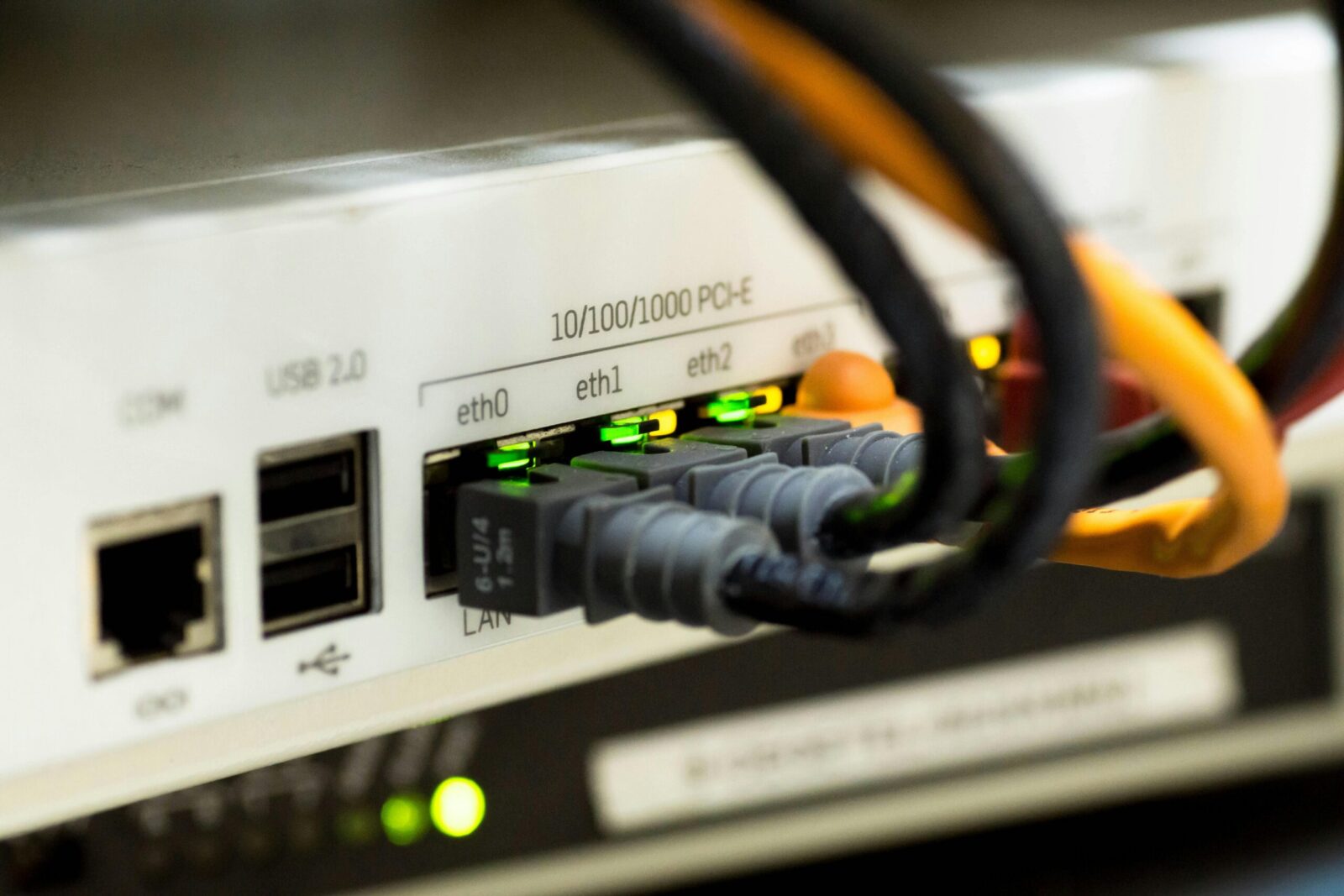
The Internet of Things (IoT) continues to expand rapidly, with billions of connected devices transforming homes, businesses, and industries. From smart thermostats and security cameras in homes to industrial sensors and automated systems in enterprises, IoT enhances efficiency and convenience. However, this connectivity introduces significant cybersecurity risks, as devices often have limited resources, default weaknesses, and vast attack surfaces. In 2025, evolving threats like AI-assisted attacks, botnets, and supply chain vulnerabilities make robust IoT security essential.
Implementing best practices helps mitigate risks such as data breaches, ransomware, and unauthorized access. Guidelines from organizations like NIST, OWASP, and industry experts emphasize security by design, zero trust, and ongoing monitoring. These practices apply to both consumer/home setups and enterprise/OT environments, though enterprises often require more scalable solutions.
Core Principles of IoT Security
Effective IoT security follows key principles:
- Security by Design: Integrate protections from the start, including secure development practices.
- Zero Trust Architecture: Verify every device and user continuously; never assume trust.
- Least Privilege: Grant only necessary access and permissions.
- Defense in Depth: Use layered controls—device, network, and cloud levels.
- Lifecycle Management: Secure devices from manufacturing through end-of-life.
Adopting frameworks like NIST IR 8259 (core baselines) and OWASP IoT guidelines ensures comprehensive coverage.
Device-Level Best Practices
Secure individual devices as the foundation:
Change Default Credentials: Immediately replace factory passwords with strong, unique ones. Use password managers for home devices.
Enable Automatic Updates: Ensure firmware and software update securely and automatically. Verify updates cryptographically.
Strong Authentication: Implement multi-factor authentication (MFA) where possible, or device certificates for machine-to-machine.
Data Encryption: Encrypt data at rest and in transit using standards like TLS.
Disable Unnecessary Features: Turn off unused ports, services, or protocols to reduce attack surface.
Secure Boot and Hardware Roots of Trust: Use features like TPMs for integrity verification.
For enterprises: Enforce unique identities per device and automated provisioning.
Network Security Best Practices
Isolate and monitor IoT traffic:
- Network Segmentation: Place IoT devices on separate VLANs or micro-segments to contain breaches.
- Firewalls and Gateways: Deploy IoT-specific gateways for inspection and policy enforcement.
- Secure Protocols: Use encrypted communications (e.g., MQTT over TLS) and avoid unencrypted HTTP.
- Visibility and Monitoring: Inventory all devices and monitor for anomalies using AI-driven tools.
- Zero Trust Implementation: Require authentication for every access request.
In home networks: Use guest networks for IoT; in enterprises: Integrate with SIEM for real-time alerts.
Enterprise and OT-Specific Practices
Industrial IoT (IIoT/OT) faces unique challenges like legacy systems:
- Asset Discovery and Inventory — Maintain continuous visibility of all connected devices.
- Risk Assessments — Regularly evaluate vulnerabilities, prioritizing critical infrastructure.
- Patch Management — Apply updates without disrupting operations; use virtual patching if needed.
- Supply Chain Security — Vet third-party components and manufacturers.
- Incident Response Planning — Include IoT-specific scenarios and recovery procedures.
Comply with regulations like EU Cyber Resilience Act or US IoT Cybersecurity Improvement Act.
Home and Consumer IoT Best Practices
For personal use:
- Choose reputable manufacturers with update commitments.
- Isolate smart devices on a separate network.
- Regularly review connected apps and permissions.
- Use strong Wi-Fi encryption (WPA3) and hide SSID if possible.
- Monitor for unusual activity via router logs.
Simple steps like factory resets before disposal prevent data leaks.
Emerging Trends and Advanced Practices for 2025
- AI and Machine Learning: For anomaly detection and predictive threat analysis.
- Blockchain and Quantum-Resistant Crypto: For secure identities and future-proofing.
- Regulatory Compliance: Align with NIST profiles and OWASP standards.
- End-of-Life Management: Plan secure decommissioning and data wipes.
Common Mistakes to Avoid
- Leaving default settings unchanged.
- Mixing IoT with primary networks.
- Ignoring updates or end-of-support devices.
- Overlooking physical security (e.g., tampering).
- Underestimating supply chain risks.
Tips for Implementing IoT Security
- Start with inventory: Know what devices you have.
- Prioritize high-risk devices (e.g., cameras, medical equipment).
- Educate users: Promote awareness in homes and training in enterprises.
- Use tools: Leverage solutions for automated monitoring and compliance.
- Review regularly: Conduct audits and penetration testing.
By following these IoT security best practices, individuals and organizations can harness the benefits of connected devices while minimizing risks. In 2025, proactive, layered security is key to resilience—stay vigilant, update consistently, and align with trusted guidelines like NIST and OWASP for a safer connected future.