
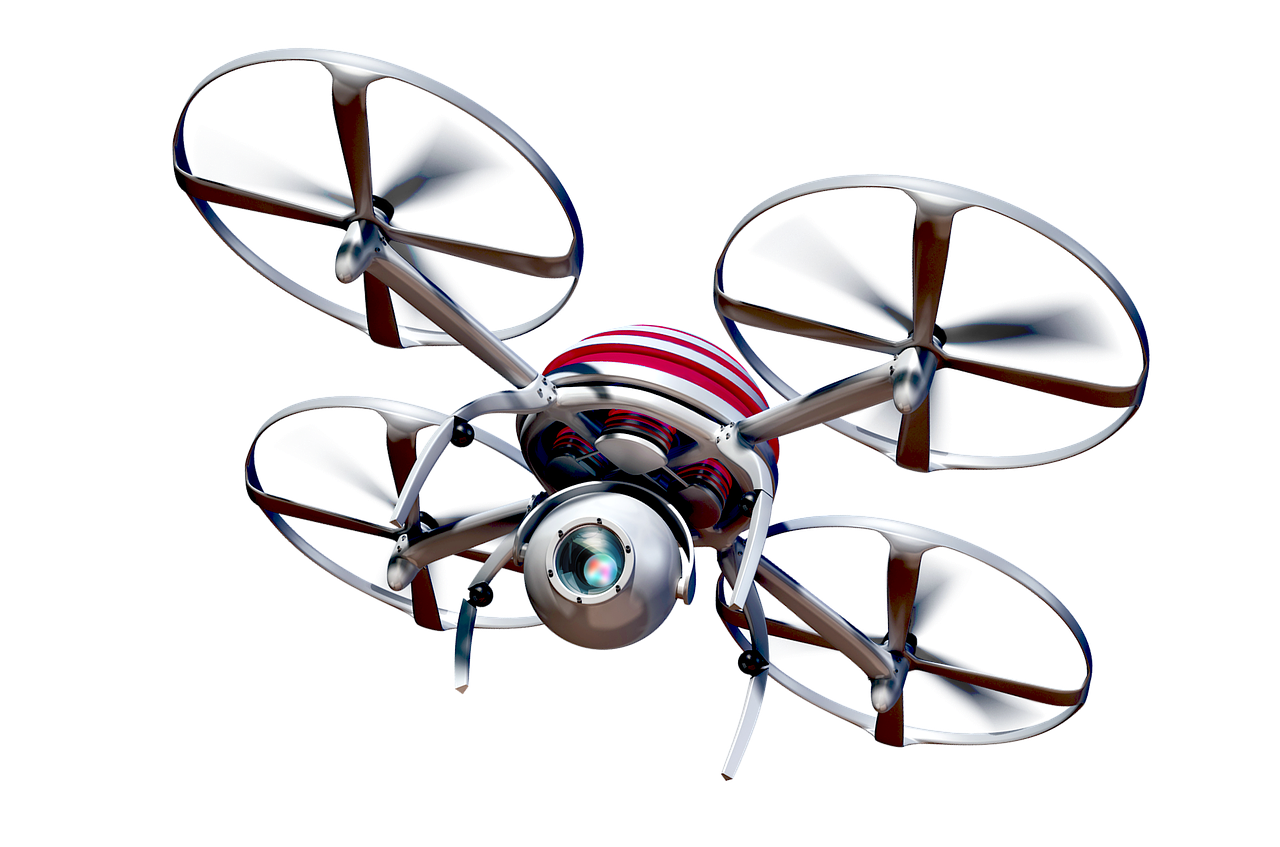
Drone technology has advanced rapidly in 2025, offering superior camera quality, longer flight times, enhanced obstacle avoidance, and AI-driven features. DJI continues to lead the consumer market with innovative models, while alternatives like Potensic and HoverAir gain traction amid ongoing discussions about potential US restrictions on DJI products. Drones now cater to beginners seeking easy selfies, photographers needing high-resolution sensors, and professionals requiring multi-camera systems for cinematic work.
Key considerations include camera resolution (4K+ standard), flight time (30–50 minutes), weight (sub-250g for fewer regulations), obstacle avoidance, and portability. In 2025, trends emphasize dual/triple cameras, low-light performance, and autonomous tracking. Below, we review standout models based on expert tests, user feedback, and performance in real-world scenarios.
What Makes a Great Drone in 2025?
Evaluate drones on:
- Camera Quality: Sensor size, resolution, dynamic range, and stabilization.
- Flight Performance: Battery life, wind resistance, range, and safety features.
- Ease of Use: App interface, automated modes, and beginner-friendly controls.
- Portability and Regulations: Foldable design and sub-250g weight to avoid registration in many regions.
- Value: Features versus price, including bundles with extra batteries.
Trust intuition—choose what aligns with your needs, whether casual fun or pro-grade aerials.
Top Drone Reviews for 2025
DJI Air 3S: Best Overall for Most Users
The Air 3S tops many lists with its dual-camera setup: a 1-inch sensor wide-angle and 3x telephoto, delivering excellent 4K video and low-light performance.
Pros: Omnidirectional avoidance with LiDAR, 45-minute flight time, professional-grade footage, robust build.
Cons: Over 250g (requires registration), higher price.
Best For: Photographers and videographers wanting versatility without flagship cost.
DJI Mavic 4 Pro: Flagship Professional Choice
DJI’s latest flagship features a triple-camera system (including Hasselblad), 6K video, and over 50 minutes of flight time.
Pros: Unmatched image quality, 360° gimbal rotation, advanced tracking, exceptional stability.
Cons: Expensive, potential US availability issues.
Best For: Professional cinematographers and high-end photography.
DJI Mini 5 Pro (or Mini 4 Pro): Best Sub-250g Drone
Lightweight yet powerful, with a 1-inch sensor, vertical shooting, and improved sensors.
Pros: No registration needed in many places, excellent portability, strong wind resistance, 4K video.
Cons: Limited US availability for newer models.
Best For: Beginners, travelers, and social media creators.
DJI Avata 2: Best FPV Drone
Immersive first-person view flying with goggles for thrilling experiences.
Pros: Fast and agile, stable 4K video, fun automated modes.
Cons: Steeper learning curve, less suited for still photography.
Best For: Action sports and adrenaline seekers.
Potensic Atom 2: Best Budget/Alternative Option
A strong non-DJ performer with 4K camera, good flight time, and reliable controls.
Pros: Affordable, solid build, beginner-friendly, Remote ID included.
Cons: Less advanced avoidance than DJI.
Best For: Beginners or those seeking DJI alternatives.
HoverAir X1 ProMax: Best Self-Flying Pocket Drone
Hand-launched, autonomous selfie drone with pro features.
Pros: Ultra-portable, no controller needed, quick automated shots.
Cons: Shorter range, limited manual control.
Best For: Vloggers and hands-free content.
DJI Neo: Best Entry-Level Fun Drone
Palm-takeoff, lightweight, with tracking and QuickShots.
Pros: Incredibly easy, safe prop guards, affordable.
Cons: Basic camera compared to pros.
Best For: Absolute beginners and casual users.
Antigravity A1: Best for 360° Capture
Innovative 360-degree drone for immersive footage.
Pros: Unique all-around recording, creative potential.
Cons: New brand, specialized use.
Best For: Experimental creators and full-sphere videos.
Emerging Trends in Drone Technology 2025
- AI and Autonomy → Enhanced tracking, obstacle avoidance, and BVLOS potential.
- Multi-Camera Systems → Triple lenses for versatile focal lengths.
- Regulatory Shifts → Sub-250g popularity; watch US DJI developments.
- Alternatives Rising → Potensic and others fill gaps if restrictions hit.
How to Choose and Fly Your Drone
- Beginners: Start with sub-250g like Mini series or Neo.
- Photography Focus: Prioritize larger sensors (Air 3S, Mavic 4 Pro).
- Check Local Laws: Register if needed, follow no-fly zones.
- Accessories: Extra batteries, ND filters, cases.
- Safety Tips: Fly in open areas, monitor battery, update firmware.
Drones in 2025 offer incredible creative freedom—select based on your skill and goals. With options from accessible entry-level to pro powerhouses, there’s a perfect drone to elevate your aerial adventures. Stay informed on regulations and enjoy the skies responsibly!